
Side Effects of Expired Testosterone
The primary side effect of expired testosterone is reduced therapeutic potency — the medication loses efficacy as the active testosterone molecule degrades through chemical decomposition. This degradation is accelerated by improper storage (heat, light, moisture) and occurs even faster after a vial is opened. Using expired testosterone leads to inconsistent, sub-therapeutic hormone levels, causing a return of Low T symptoms: fatigue, low libido, muscle loss, and brain fog. For injectable testosterone (Cypionate, Enanthate), additional risks include crystallization from temperature exposure — injecting crystallized solution can cause localized pain, swelling, and inflammation. Rare but possible chemical by-products from decomposition may also trigger unexpected reactions. The expiration date is the manufacturer's guarantee of full potency AND safety. Testosterone should always be stored at 68–77°F (20–25°C), away from light and moisture. Never use visually altered product (discoloration, cloudiness, crystals) without physician guidance. Proper disposal via drug take-back programs or FDA home disposal guidelines is essential — never flush injectable testosterone.
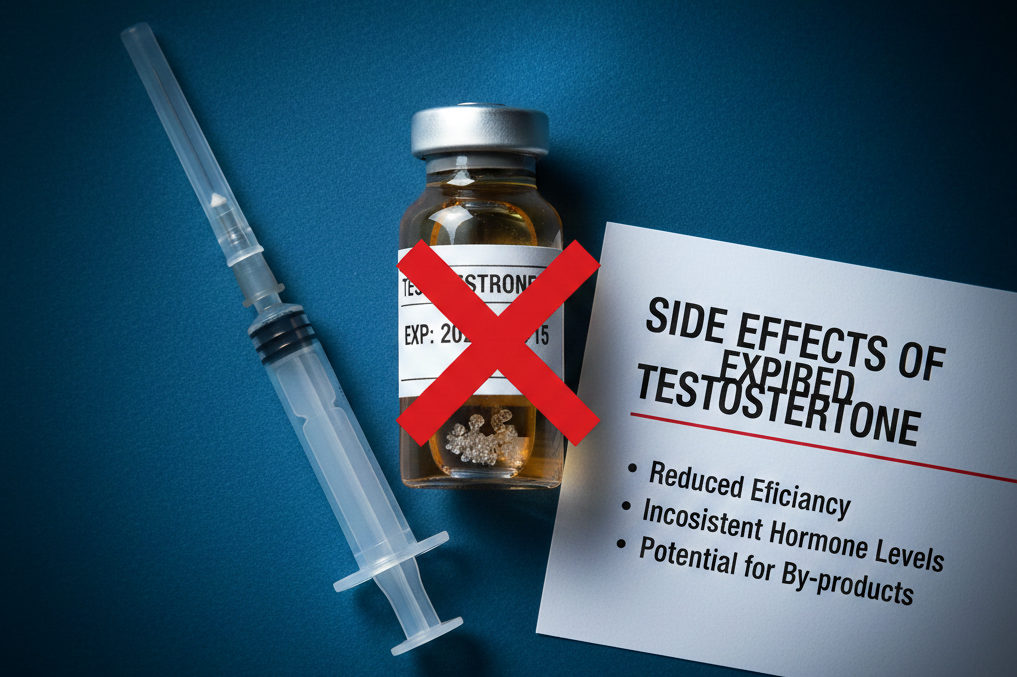
The primary side effect of expired testosterone is a significant reduction in its therapeutic efficacy or potency, which means you may fail to achieve the desired clinical benefits of your hormone replacement therapy (HRT), potentially leading to a return of low testosterone symptoms.
The Science Behind Expiration and Degradation
The expiration date printed on any prescription medication, including testosterone, is the final day the manufacturer guarantees its full potency and safety. After this date, a crucial change occurs: the chemical stability of the active pharmaceutical ingredient (API)—testosterone itself—begins to degrade.
This process, known as chemical decomposition, is accelerated by improper storage conditions, such as exposure to light, heat, or moisture. Over time, the testosterone molecule can break down, leading to two main concerns for the informed buyer:
1. Reduced Efficacy (Sub-Potency)
The most common outcome is that the concentration of the active, therapeutic testosterone decreases. This results in a less-effective treatment where you are essentially dosing with a sub-optimal amount of hormone. For a patient considering testosterone or other low T solutions, this means the very symptoms they are trying to manage—such as fatigue, low libido, and muscle loss—will likely persist or return.
2. Formation of By-Products
While rare, the decomposition process can theoretically create inactive or unknown chemical by-products. For injectable solutions, this may be accompanied by a change in color, clarity, or the presence of particles (crystallization, especially if exposed to cold). While testosterone is generally considered stable, the potential risk of an unexpected tissue or systemic reaction from these degraded compounds cannot be fully discounted.
The Clinical Impact: Why Sub-Potency is Dangerous
For critical medications, especially those involved in precise hormonal balancing like Testosterone Replacement Therapy (TRT), consistency is paramount. A loss of potency is not just inconvenient; it can be clinically detrimental, particularly for someone seeking HRT or looking to buy testosterone therapy.
1. Inconsistent Hormone Levels
Using expired testosterone leads to unpredictable and inconsistent dosing. This fluctuation can negatively impact the delicate endocrine system, potentially worsening mood swings, irritability, and overall sense of well-being—symptoms the treatment is meant to alleviate.
2. Reversal of Therapeutic Gains
For patients who have achieved stability and relief, the gradual loss of testosterone potency can cause a subtle but significant reemergence of Low-T symptoms. These may include:
- Persistent fatigue and low energy
- Decreased libido and sexual function
- Loss of muscle mass and strength
- Worsening mood and cognitive function (e.g., "brain fog")
In essence, the patient is paying for a full dose but receiving only a fraction of the necessary therapeutic benefit, delaying true health optimization and wasting money on a cost-effective TRT strategy.
Side Effects of Expired vs. Properly Stored Testosterone
It is vital to distinguish between the general side effects of testosterone therapy and the risks associated specifically with an expired, degraded product.
| Risk Category | Properly Stored (Within Expiration) | Expired (Past Expiration Date) |
|---|---|---|
| Potency & Efficacy | Guaranteed full therapeutic dose | Reduced Efficacy; unpredictable or ineffective dosing. |
| Systemic Risk (New Compounds) | Minimal; rigorously tested formulation | Elevated Risk; potential for chemical degradation products or bacterial contamination. |
| Injection Site Reactions | Low risk (pain, redness) | Increased Risk if solution is crystallized or contaminated (for injectables). |
| Therapeutic Outcome | Achievement of clinical goals | Failure to reach or maintain therapeutic hormone levels. |
Potency & Efficacy
Systemic Risk (New Compounds)
Injection Site Reactions
Therapeutic Outcome
Storage and the Expiration Date: The Key to Safety
The expiration date is intrinsically linked to correct storage. Testosterone products (injections, gels, pellets) must be kept within the manufacturer's specified temperature range, away from direct light and excessive heat. For many injectable testosterone esters (like cypionate or enanthate), exposure to cold temperatures can cause crystallization (a physical, not chemical, degradation), which may lead to pain and swelling if injected. This highlights that any visible change—cloudiness, discoloration, or crystals—is a signal to seek medical consultation immediately.
To ensure your testosterone prescription delivers its intended benefits, always inspect the product and strictly adhere to the expiration date. Never attempt to "re-dissolve" or use a visibly compromised product without the express direction of a qualified healthcare professional. The risk of delayed treatment or unpredictable outcomes far outweighs the cost saving.
Ready to Optimize Your Health Safely?
When it comes to hormone health, there is simply no substitute for safety, precision, and medical oversight. If you are ready to start TRT or are looking for a more consistent, medically supervised testosterone treatment, your next step should be to consult with specialists who prioritize pharmaceutical integrity. Don't gamble on the risks of expired testosterone.
At Live Forever Health, we provide a seamless process to help you find the right TRT doctor and ensure you receive only guaranteed, high-quality, non-expired medication, precisely formulated for your unique needs. Contact Live Forever Health today to book your consultation and invest in your health with confidence.
Start Your TRT Journey Safely
Get guaranteed, high-quality testosterone therapy with proper medical oversight. Don't risk your health with expired medications.